Shape Your Tomorrow: Is Gastric Sleeve Surgery Right for You?
- Category: Patient Stories
- Posted On:

Originally from the Dominican Republic, Domingo Rodriquez, Jr., has called Kenner, Louisiana, home for most of his life. For many years, he enjoyed relatively good health, but as he grew older, he began to notice changes that affected both his daily life and overall well-being.
Staying active became more difficult, and over time, his health began to decline. He developed high blood pressure, gained weight, and was eventually diagnosed as pre-diabetic. As these health challenges progressed, so did his reliance on medication. At one point, he was taking four different medications to help control his blood pressure.
Concerned about the impact these conditions were having on his quality of life and future health, Domingo knew he needed to make a change. After discussing his health concerns with Dr. Donald Schwab, a Board-Certified General Surgeon at Surgical Weight Management and Associates, Bayou Surgical Specialists, Terrebonne General Health System, and Physicians Medical Center, and learning more about the long-term risks associated with obesity, he began exploring weight-loss options. Dr. Schwab, who has been practicing in Houma, Louisiana, for 25 years with his partners Dr. David Rau and Dr. Fritz Rau, helped him understand that bariatric surgery could be an effective way to improve his health and reduce his risk of future complications.
Determined to take control of his health and create a better future, Domingo began exploring long-term solutions to achieve lasting results. What began as a conversation about weight loss soon became the first step toward a healthier life.
Bariatric Surgery Explained
Surgical Weight Management Associates (SWMA) bariatric surgery program has been helping patients achieve healthier lives since the early 2000s, when weight-loss surgery was first introduced in the Bayou Region. Over the years, the program has evolved alongside advances in bariatric medicine, offering procedures that provide patients with safe, effective, and lasting results.
The program initially focused on gastric bypass surgery, which was the most common bariatric procedure at the time. As treatment options expanded, lap band surgery became a popular choice for several years. For the past decade, however, sleeve gastrectomy has become the primary procedure offered to patients due to its proven effectiveness and favorable recovery profile.
Today, sleeve gastrectomy is widely considered the gold standard in bariatric surgery. When it comes to achieving significant weight loss and maintaining it long term, both the gastric sleeve and gastric bypass remain the most effective surgical options available.
Gastric bypass surgery works through two mechanisms. First, it is a restrictive procedure, meaning the stomach is made smaller so patients can eat less. Second, it involves rerouting a portion of the intestines, which creates a degree of malabsorption. By consuming fewer calories, patients can achieve substantial weight loss.
Sleeve gastrectomy offers a simpler approach. Surgeons reduce the size of the stomach, significantly limiting the amount of food it can hold. A common comparison is reducing a stomach from the size of a two-liter bottle to the size of a small beverage can. Because patients feel full with much smaller portions, they naturally consume fewer calories, leading to weight loss. Unlike gastric bypass, sleeve gastrectomy is strictly a restrictive procedure and does not alter the intestines.
One of the key advantages of sleeve gastrectomy is its safety profile and recovery process. The complication rate is lower, recovery is quicker, and the procedure avoids some long-term side effects associated with gastric bypass surgery. These benefits have helped make sleeve gastrectomy the most commonly performed bariatric operation across the country and a trusted option for patients seeking a healthier future.
Determining a Good Candidate
Determining whether someone is a good candidate for bariatric surgery has evolved significantly over the years. Historically, eligibility was largely based on a patient's body mass index (BMI), a measurement that compares a patient's height and weight. In the past, patients were typically considered candidates for surgery if they had a BMI of 40 or higher, or a BMI of 35 or higher accompanied by obesity-related health conditions.
As medical professionals have gained a deeper understanding of obesity and its impact on overall health, those guidelines have expanded. Research has shown that excess weight can contribute to a wide range of serious health conditions, even in individuals with lower BMIs. As a result, eligibility criteria have been adjusted to allow more patients to benefit from bariatric surgery.
Today, patients with BMIs in the low 30s who also have obesity-related conditions such as diabetes, high blood pressure, sleep apnea, or other health concerns may be considered candidates for surgery. Rather than focusing solely on a number, healthcare providers now take a more comprehensive approach, evaluating each patient's overall health, quality of life, and long-term wellness goals when determining the best treatment plan.
Safety of Surgery
When considering bariatric surgery, one of the most important factors to understand is the relationship between obesity and overall health. In general, as a person's weight and body mass index (BMI) increase, so does the likelihood of developing obesity-related health conditions. Higher BMIs are often associated with complications such as high blood pressure, type 2 diabetes, sleep apnea, acid reflux, and other chronic illnesses that can significantly affect quality of life.
While those risks can be concerning, decades of research have revealed encouraging news. More than 40 years of studies have consistently shown that significant weight loss can lead to dramatic improvements in many obesity-related conditions. In some cases, these conditions improve substantially; in others, they may resolve completely. As patients lose weight, they often experience better overall health, increased mobility, improved energy levels, and a reduced risk of future health complications.
For many patients, bariatric surgery is about much more than weight loss alone. The goal is not simply to achieve a lower number on the scale or a different appearance; it's about improving health and increasing longevity. Obesity can have a profound impact on life expectancy, particularly for individuals with severe obesity. Research has shown that carrying excess weight significantly increases the risk of serious health complications over time.
When physicians and patients evaluate bariatric surgery, they carefully weigh the risks of surgery against the risks of remaining severely overweight. Modern bariatric procedures have become increasingly safe and effective, and for many patients, the long-term health benefits far outweigh the potential surgical risks. By addressing obesity and its related conditions, bariatric surgery can provide an opportunity for a healthier future and a longer, more active life.
Preparation for Surgery
“Preparation for the surgery was amazing. [Dr. Schwab] and his team made sure I was comfortable from the moment I started talking with them [about the procedure].”
As part of the preparation process, Domingo began a specialized pre-operative diet two weeks before surgery. The diet was designed to help prepare his body for the procedure and support a safer surgical experience. The plan consisted of several small, protein-focused meals throughout the day.
Recovery After Surgery
Following surgery, Domingo's recovery went smoothly. As he progressed through the healing process, he began noticing significant improvements in both his health and daily life.
Today, he says the surgery has greatly improved his quality of life. He is more active than he was before the procedure and enjoys participating in activities that had become more challenging in the past. One of the most meaningful changes has been his improved health. He is no longer taking blood pressure medication and has experienced many of the benefits that come with sustained weight loss.
Looking back on his journey, Domingo is grateful for the positive impact the surgery has had on his life. As he puts it, “Everything is going great!”
Domingo’s Results
As of December 2024, Domingo weighed approximately 309 pounds.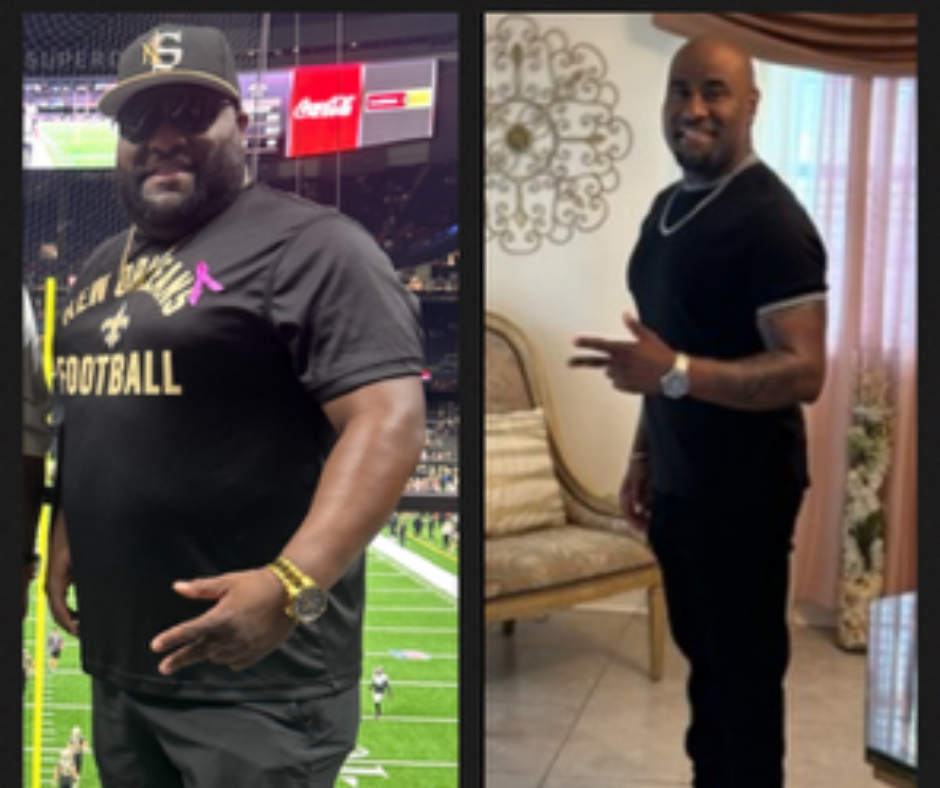 Since undergoing surgery and committing to the lifestyle changes that followed, he has achieved a remarkable transformation.
Today, he weighs 198 pounds, representing a total weight loss of more than 100 pounds. The milestone reflects not only the success of the procedure but also the dedication and hard work he has invested in improving his health.
Advice for People Considering This Surgery
The positive changes Domingo experienced after surgery have inspired him to share his story with others. Since his procedure, he has referred five people, including family members and friends, to Dr. Schwab to learn more about bariatric surgery and whether it may be right for them.
When asked what advice he would give to someone considering weight-loss surgery, Domingo encourages people not to hesitate if their physician recommends exploring the option. Having experienced the physical challenges that can accompany obesity, he understands how overwhelming the decision can feel. However, he believes the potential benefits far outweigh the fears he once had.
Looking back, Domingo says choosing surgery was one of the best decisions he has made for his health. Thanks to the improvements in his weight, activity level, and overall well-being, he confidently recommends the procedure to others who may be struggling with similar health challenges and searching for a path toward a healthier future.
Helping Patients Achieve Their Goals & Get Healthier
One of the most rewarding aspects of bariatric surgery is witnessing the transformation that extends far beyond weight loss. For many patients, a successful weight-loss journey means regaining the ability to do the things they love, improving their health, and reclaiming a quality of life they may have thought was out of reach. In many ways, it is about giving people their lives back.
While the surgical team provides the tools, guidance, and support needed for success, long-term results are built through the commitment and dedication of each patient. Lasting change requires making healthy choices every day and embracing the lifestyle adjustments that support continued progress.
When patients commit to that journey, the results can be truly life-changing. Time and again, Dr. Donald Schwab, Dr. David Rau, Dr. Fritz Rau, and their team have seen individuals achieve remarkable success and improve their overall health and well-being. Domingo is one of many patients whose story demonstrates what is possible through hard work, perseverance, and partnership. For SWMA and their team, there is no greater reward than seeing patients thrive and celebrating the success stories that follow.